
Balancing Power and Physical Constraints
The Galaxy S27 Ultra is expected to feature a substantial battery improvement over its predecessor. Reports indicate that engineers evaluated a cell with a capacity of 7,000mAh during the development phase. This figure represents a significant leap from the typical 5,000mAh range found in recent high-end devices. Such a large power source would have provided exceptional endurance for heavy users. However, the final choice appears to prioritize a balance between performance and physical dimensions.
Latest news
 Why the Rumored iPhone Duo Excites Android Foldable Fans
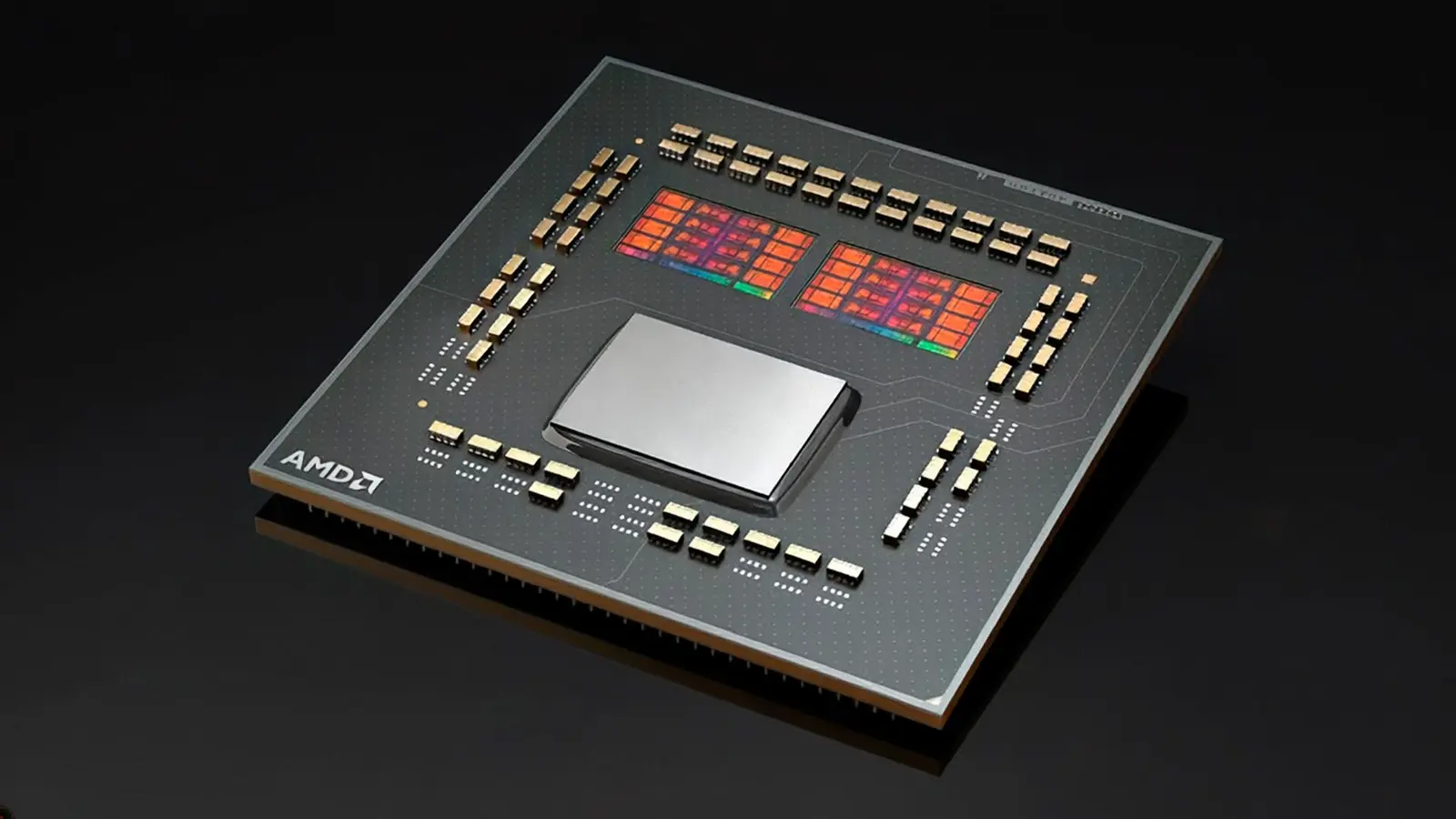 AMD's Canceled Ryzen 9 5900X3D Leaks Online
 California Subpoenas OpenAI Over Autonomous AI Hacking Risks
 Nvidia-Backed UK Supercomputer Faces Multi-Year Power Delay
Integrating a 7,000mAh cell into a flagship phone presents complex engineering challenges. A larger battery requires more internal space, which can impact the placement of other components. Samsung likely weighed the benefits of longer battery life against the risk of increasing the device's thickness. Weight distribution is another critical factor in user comfort for premium smartphones. A heavier phone may deter some consumers who prefer lighter handheld devices. The company ultimately chose a configuration that offers a meaningful upgrade without compromising the overall form factor. This approach ensures the device remains competitive in the market while delivering reliable daily usage.
Why Did Samsung Shrink the Battery Plan?
The reduction from the proposed 7,000mAh to a smaller capacity suggests strategic prioritization. Efficiency improvements in the processor may have reduced the need for extreme capacity. A more efficient chipset allows the phone to last longer on a smaller battery. Additionally, manufacturing costs and supply chain considerations play a role in final decisions. Samsung aims to maintain consistent build quality across its product line. A slightly smaller battery might be easier to source and integrate reliably. This strategy protects margins while still offering a noticeable improvement in battery life for consumers.
The outcome sets expectations for future flagship releases. Users can expect a solid increase in endurance compared to previous models. The industry continues to push boundaries in energy storage technology. Solid-state batteries and faster charging speeds remain key areas of innovation. Samsung’s decision reflects a cautious but progressive approach to hardware upgrades. As competition intensifies, balancing raw power with practical usability will define the next generation of mobile devices.
Frequently Asked Questions
How much larger was the proposed battery? The initial plan included a 7,000mAh cell. This would have been significantly bigger than standard flagship batteries. The final version likely uses a smaller capacity to fit within design limits.
Why is battery size important for flagships? Larger batteries improve screen-on time but increase device weight. They also take up internal space needed for cameras and cooling systems. Manufacturers must find an optimal balance for user experience.
Comments
Leave a comment