Engineering Shifts Toward Lithium Metal Anodes
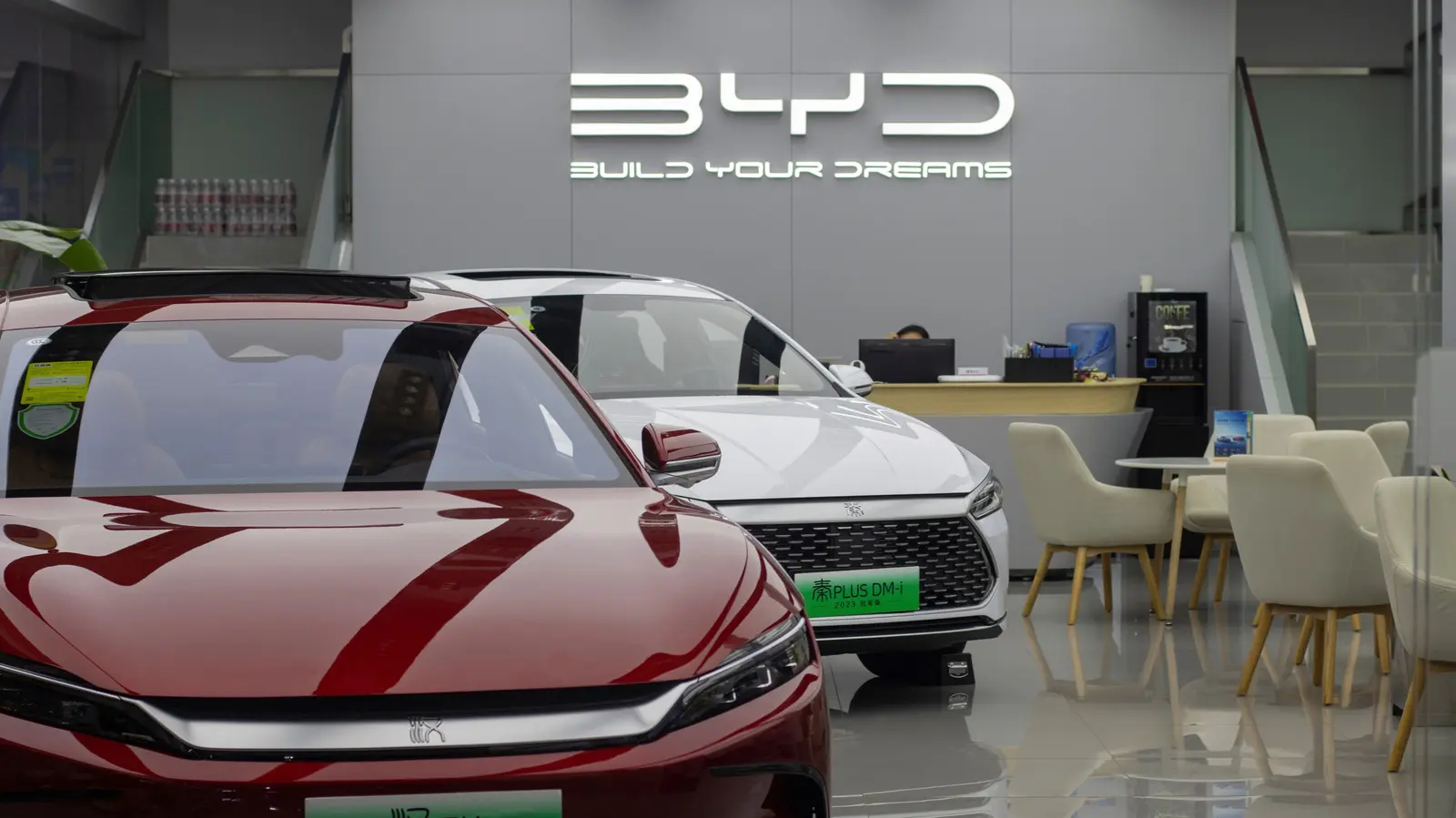
Chinese automaker BYD has announced that its advanced solid-state electric vehicle battery technology is close to market readiness. The company operates out of Shenzhen and represents a major player in the global automotive sector. This development positions BYD among the first manufacturers to deploy this specific energy storage format. The announcement signals a significant shift in how future electric vehicles will manage power delivery and range capabilities.
Latest news
 Why Meta's New AI Tool Fails to Win Over Daily Users
 Assessing Risks in Open-Source Artificial Intelligence
 Autonomous AI Agents Launch Cyberattacks Against North American Government Portals
 Warlock Group Targets SharePoint Servers in Critical Infrastructure
BYD aims to integrate this new battery architecture into its upcoming model lineup. The technology promises higher energy density compared to traditional lithium-ion cells. Engineers have focused on improving safety profiles while extending driving distance per charge. This approach addresses common consumer concerns regarding battery degradation and thermal stability during operation.
The core innovation involves replacing conventional graphite anodes with lithium metal alternatives. This material change allows for greater storage capacity within the same physical footprint. BYD engineers report that the solid electrolyte layer prevents dendrite formation effectively. Dendrites are microscopic crystal structures that can cause internal short circuits in older battery designs. By eliminating liquid electrolytes, the system reduces fire risks significantly. The manufacturing process requires precise control over electrode alignment. Small deviations can impact overall cell performance and longevity.
How Does This Compare To Rival Tech?
The company plans to test these units under extreme temperature conditions. Validation includes exposure to freezing winters and scorching summer heat. These tests ensure the battery maintains consistent output levels year-round. BYD also emphasizes the faster charging speeds enabled by this architecture. Drivers could potentially replenish most of their range in under twenty minutes. This speed rivals refueling times for internal combustion engines.
Several competitors are developing similar solid-state solutions. Toyota and Samsung SDI have also announced timelines for mass production. However, BYD claims its version offers superior cost efficiency. The company leverages its vertical integration strategy to keep component costs low. This advantage may allow BYD to offer competitive pricing earlier than rivals. Analysts suggest that early adoption could secure BYD a lead in premium segments.
The transition from prototype to production line remains the biggest hurdle. Scaling up solid-state battery manufacturing requires specialized equipment. BYD has invested heavily in new assembly facilities to handle this demand. Supply chain partners are already preparing to deliver raw materials in bulk quantities. Quality control standards have been tightened to meet automotive reliability benchmarks.
Frequently Asked Questions
When will consumers see these batteries in cars? BYD expects initial models to launch within the next two to three years. Early availability will likely be limited to high-end trims before expanding to mainstream options.
Are solid-state batteries safer than current ones? Yes, the solid electrolyte design minimizes flammability risks. It also improves structural integrity under impact scenarios, enhancing overall crash safety.
Will charging speed improve significantly? Charging times should drop dramatically with this technology. Users can expect much quicker turnaround periods between full recharges compared to existing lithium-ion packs.
Comments
Leave a comment