
Bridging Neural Signals and Mechanical Motion
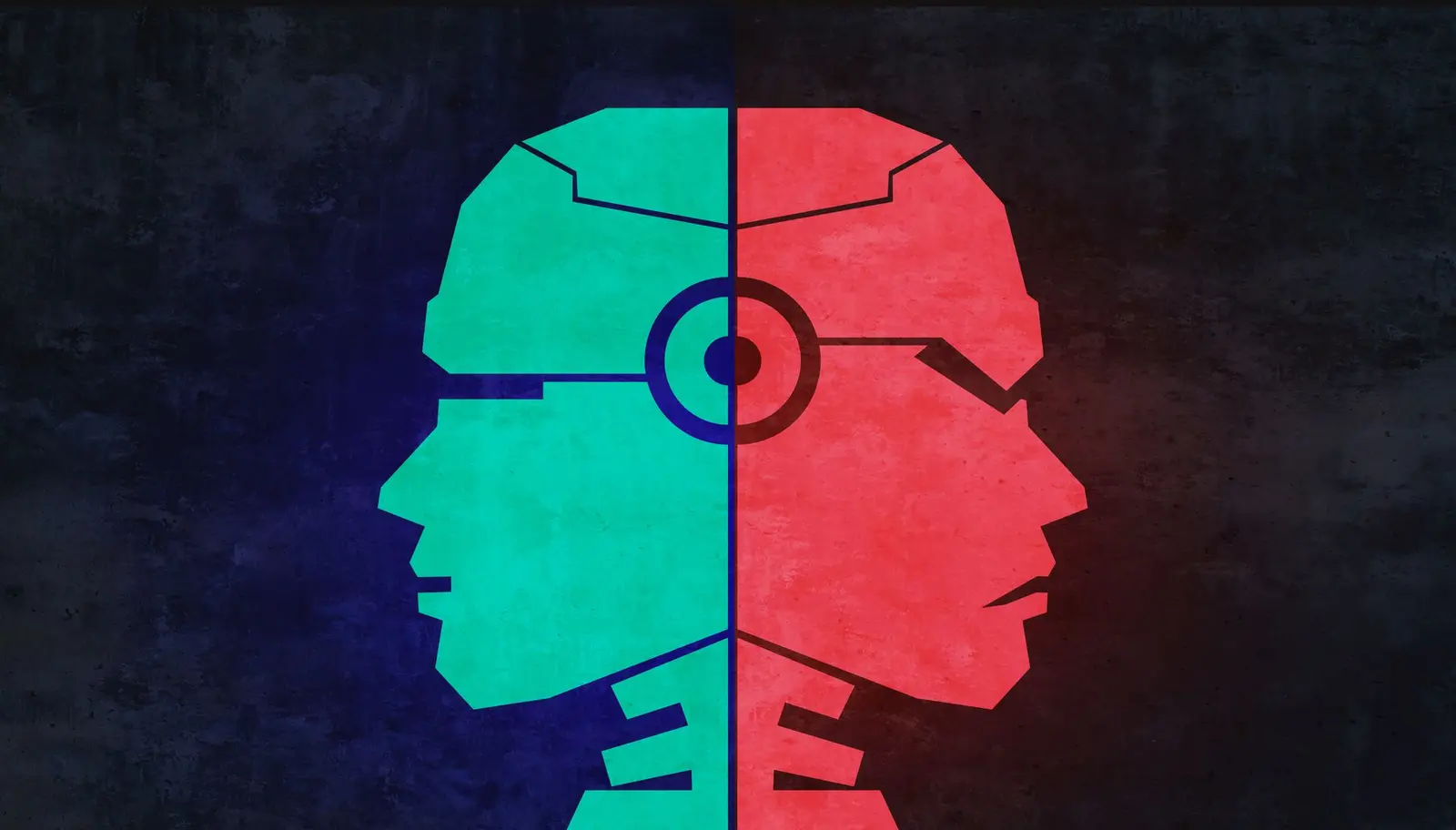
Chinese technology firm BrainCo has introduced a groundbreaking brain-computer interface capable of operating robotic devices through human thought alone. Revealed this July, the system allows users to manipulate robotic arms and other hardware without physical input. This innovation marks a significant leap in how humans interact with autonomous machinery in real-time.
Latest news
 Major AI firms recorded peak lobbying expenses last summer
 Apple Magic Keyboards for iPad Drop to Half Price at Woot
 Microsoft Provides Fix for Broken Exchange Online Apps
 Security Breach at AI Aggregator Exposes 18 Million Files and Private Chats
The technology functions by capturing neural signals and translating them into actionable commands for robotic systems. By bypassing traditional physical controllers like joysticks or keyboards, the interface creates a seamless bridge between the human mind and mechanical hardware. This development relies on sophisticated AI platforms that interpret brain activity to execute complex physical movements.
The system represents a major shift in human-machine integration. Previous interfaces often required invasive procedures or cumbersome equipment, but this new iteration prioritizes accessibility and efficiency. By focusing on the direct translation of intent, the interface allows for fluid robotic control that mimics natural limb movement.
How Will This Change Daily Human Interaction?
Engineers at BrainCo designed the platform to be intuitive for the end user. As the user visualizes a specific action, such as a robotic arm waving or grasping an object, the AI processes these intentions instantly. This rapid feedback loop ensures that the robot responds with minimal latency, making the technology highly practical for diverse applications.
The implications for this technology extend far beyond simple demonstrations. Experts suggest that such interfaces could revolutionize assistive technology for individuals with limited mobility. By providing a reliable way to interact with the physical world, the system offers newfound independence to those who previously struggled with standard control methods.
Frequently Asked Questions
As research continues, the integration of brain-to-robot interfaces into everyday life seems increasingly likely. While the technology is still evolving, its ability to bridge the gap between biological thought and digital execution is unprecedented. The future of robotics may soon depend entirely on our ability to communicate directly with the machines we build.
Does the system require surgical implants for the user? The interface is designed to function without invasive procedures, utilizing external sensors to detect neural activity. This makes the technology safer and more accessible for a wider range of users.
Can this technology control more than just robotic arms? The underlying platform is versatile and capable of managing various robotic devices. Developers are currently exploring how these neural commands can be applied to different types of automated hardware.
Comments
Leave a comment