How the Loan Will Shape the Battery Landscape?
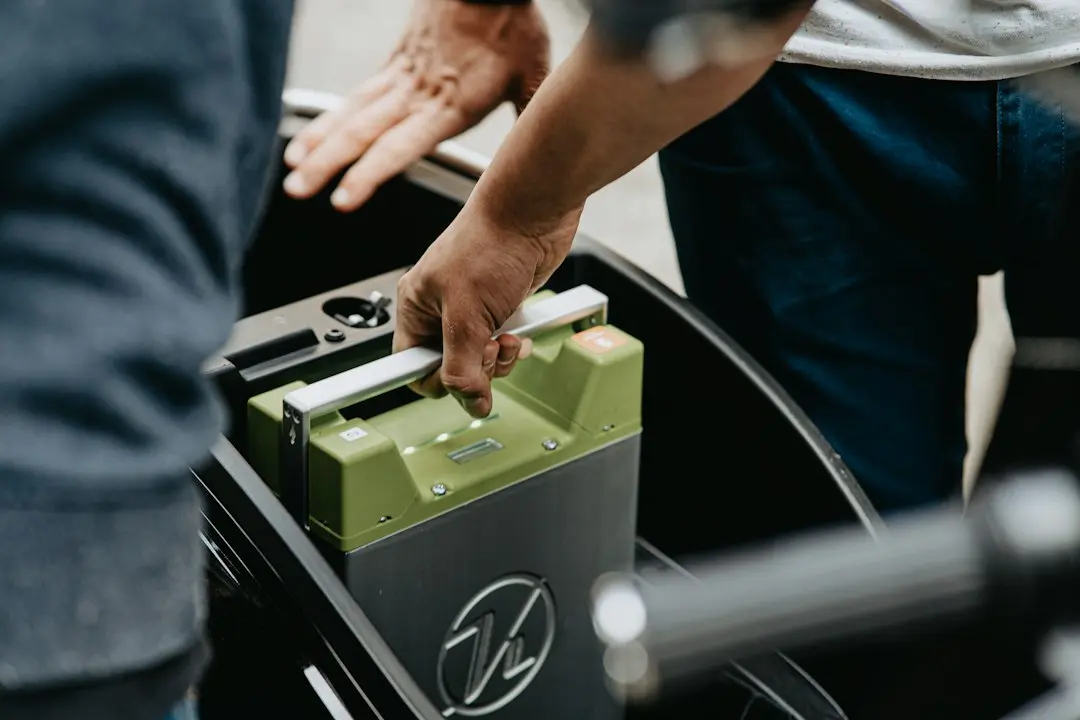
The loan will cover site acquisition, construction, and initial operating costs. 6K plans to use the facility to produce high‑energy‑density batteries that can power advanced military equipment, including drones and electric vehicles. The company’s technology relies on microwave‑plasma processes that reduce production time and lower material waste.
Latest news
 Smart TVs frequently lose their Wi-Fi connection, leaving viewers staring at a spinning loading icon
 Why Ignoring Car Software Updates Is Risky
 Apple's foldable iPhone Duo introduces dual-display multitasking capabilities
 FCC Weighs Reciprocal Limits on Foreign Satellite Firms
The Pentagon’s interest in 6K stems from a broader strategy to secure critical supply chains for defense technology. By investing in domestic battery manufacturing, the U. S. aims to reduce reliance on overseas suppliers and ensure timely access to energy storage for field operations. 6K’s technology is seen as a strategic fit because it promises higher performance and faster production cycles compared to conventional methods.
Industry analysts note that the loan could accelerate the company’s scale‑up by 30 percent, allowing it to meet projected demand from both military contracts and commercial markets. The facility will employ approximately 200 workers and incorporate advanced automation to maintain quality and safety standards.
What Are the Implications for the Local Economy?
The $250 million loan is not a grant; it is a low‑interest, long‑term financing package that encourages private investment while sharing risk with the government. 6K will be required to meet strict milestones, including achieving production capacity targets and maintaining compliance with environmental regulations. The Department of Defense will monitor progress through quarterly reports and independent audits.
The project also aligns with the U. S. Energy Department’s goal of boosting domestic battery production to 40 percent of global output by 2030. By partnering with 6K, the Pentagon hopes to create a more resilient supply chain for high‑performance batteries that can be deployed in harsh environments.
The Tennessee plant is expected to create significant economic benefits for the region. Local officials anticipate a boost in high‑skill jobs, increased demand for housing, and growth in supporting industries such as logistics and component suppliers. The project will also provide opportunities for workforce training programs, partnering with community colleges and technical schools to develop specialized skills.
The loan’s conditional nature means that 6K must demonstrate tangible progress before funds are disbursed. If the company meets its targets, the project could serve as a model for future public‑private collaborations in critical manufacturing sectors.
Frequently Asked Questions
Q1: What type of batteries will 6K produce at the new plant? A1: 6K will manufacture high‑energy‑density batteries using microwave‑plasma technology, designed to power military drones, electric vehicles, and other advanced equipment.
Q2: How will the loan be repaid? A2: The loan is a low‑interest, long‑term financing arrangement. Repayment will be structured over a period of 15–20 years, with payments tied to production milestones and revenue generation.
Q3: Will the plant meet environmental standards? A3: Yes. 6K must comply with federal environmental regulations, including waste management and emissions controls, as part of the loan conditions.
Comments
Leave a comment