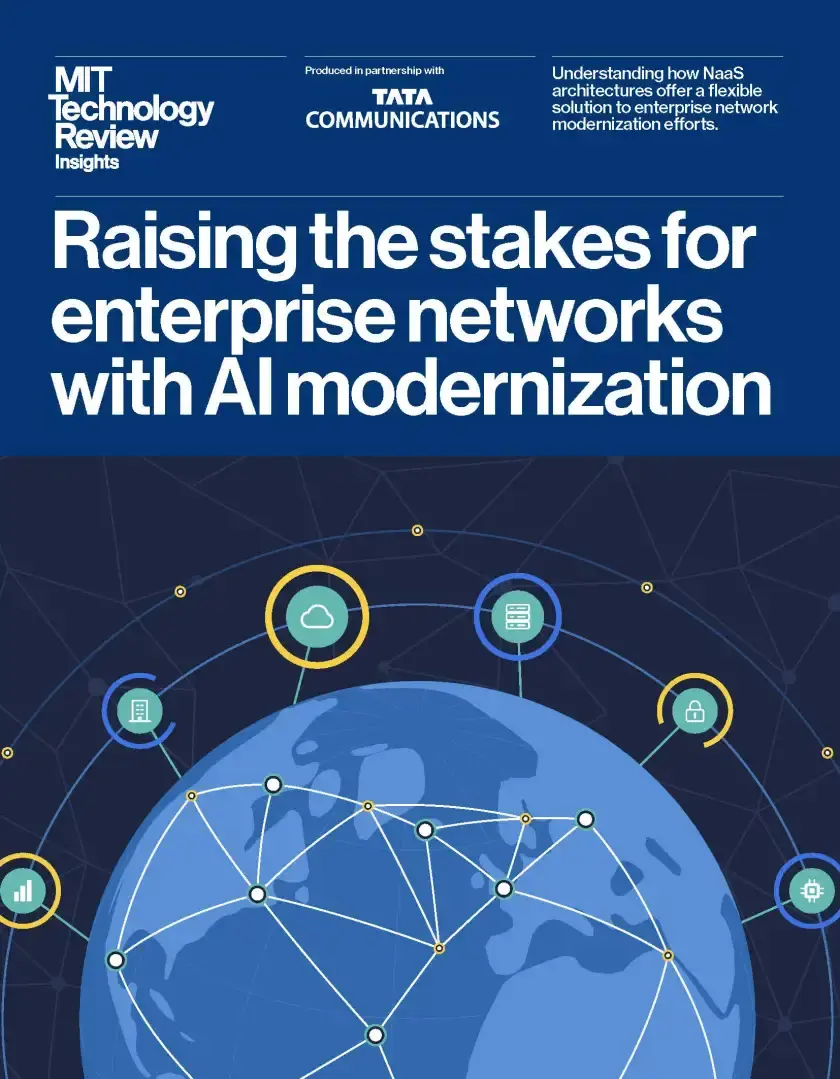
Why AI Traffic Is Overwhelming Enterprise Networks
The core issue is the sheer volume of data movement required for AI operations. Traditional enterprise networks were built for human-scale traffic. AI systems, however, generate massive amounts of data transfer between servers and cloud endpoints. This shift has created a bottleneck that threatens to slow down critical business functions.
Latest news
 EU Academy Data Breach Confirmed by European Commission
 Apple has quietly shipped iOS 27, a software update focused on practical quality-of-life improvements rather than sweeping visual changes
 EU Commission Confirms Data Breach in AI-Assisted Cyberattack
 Samsung Galaxy Fit 4 Price Leaked at €79.90, Signaling a Costly Upgrade
The strain intensifies with the rise of agentic AI. These autonomous systems perform complex, multi-step tasks that require constant data exchange. Industry estimates suggest AI agents generate roughly 450% more network traffic than traditional applications. This surge in demand exposes weaknesses in legacy infrastructure that was not designed for such intensity.
Enterprises are now facing a choice: upgrade their networks or accept degraded performance. Many organizations are discovering that their current setups cannot handle the bandwidth and latency requirements of modern AI deployments. This forces a rapid modernization effort to prevent operational failures.
How Should Companies Prepare for the AI Traffic Surge?
The path forward requires a fundamental rethink of network architecture. Companies must move beyond simple capacity increases and adopt designs that prioritize low latency and high throughput. This involves deploying new hardware, optimizing routing, and integrating AI-aware network functions.
The consequences of inaction are severe. Without modernization, AI projects risk stalling due to network bottlenecks. This can delay time-to-value and increase operational costs. Looking ahead, enterprises that act now will secure a competitive advantage. Those that wait will likely face costly emergency upgrades later. The window for strategic planning is closing fast.
Frequently Asked Questions
How much more traffic do AI agents generate compared to traditional apps? Industry estimates indicate AI agents produce approximately 450% more network traffic than conventional applications. This massive increase is the primary driver of current network strain.
What is the main risk if enterprises do not modernize their networks? The primary risk is operational degradation. Slow data transfer will bottleneck AI deployments, delaying project timelines and increasing costs.
Why is agentic AI more demanding than standard AI? Agentic AI performs autonomous, multi-step tasks requiring continuous data exchange. This constant communication creates a significantly higher and more sustained load on the network infrastructure.
Comments
Leave a comment